Loading…DIET Leh
Regular academic monitoring and support visits by DIET Leh's monitoring team to government schools across the district, including its remotest zones.
DIET Leh conducts regular academic monitoring and support visits to government schools across Leh district, reaching even its most remote and geographically isolated zones. These visits review academic functioning, foundational learning, competency-based outcomes, Mid-Day Meal implementation, ERP attendance, hostel administration and school infrastructure, and include consultations with School Management Committees, teachers and parents. The findings guide DIET's training, material development and follow-up support, helping strengthen the quality of school education across the district.
From 23 to 25 September 2026, DIET Leh's monitoring team visited ten government schools in the Panamik zone of Nubra. The team found schools keeping up their academic work despite differing constraints of infrastructure, staffing and enrolment. Basic routines such as regular subject tests, weekly use of science and mathematics kits and other teaching-learning materials, and Mid-Day Meal arrangements were generally in place, and attendance on the days of the visits was generally good.
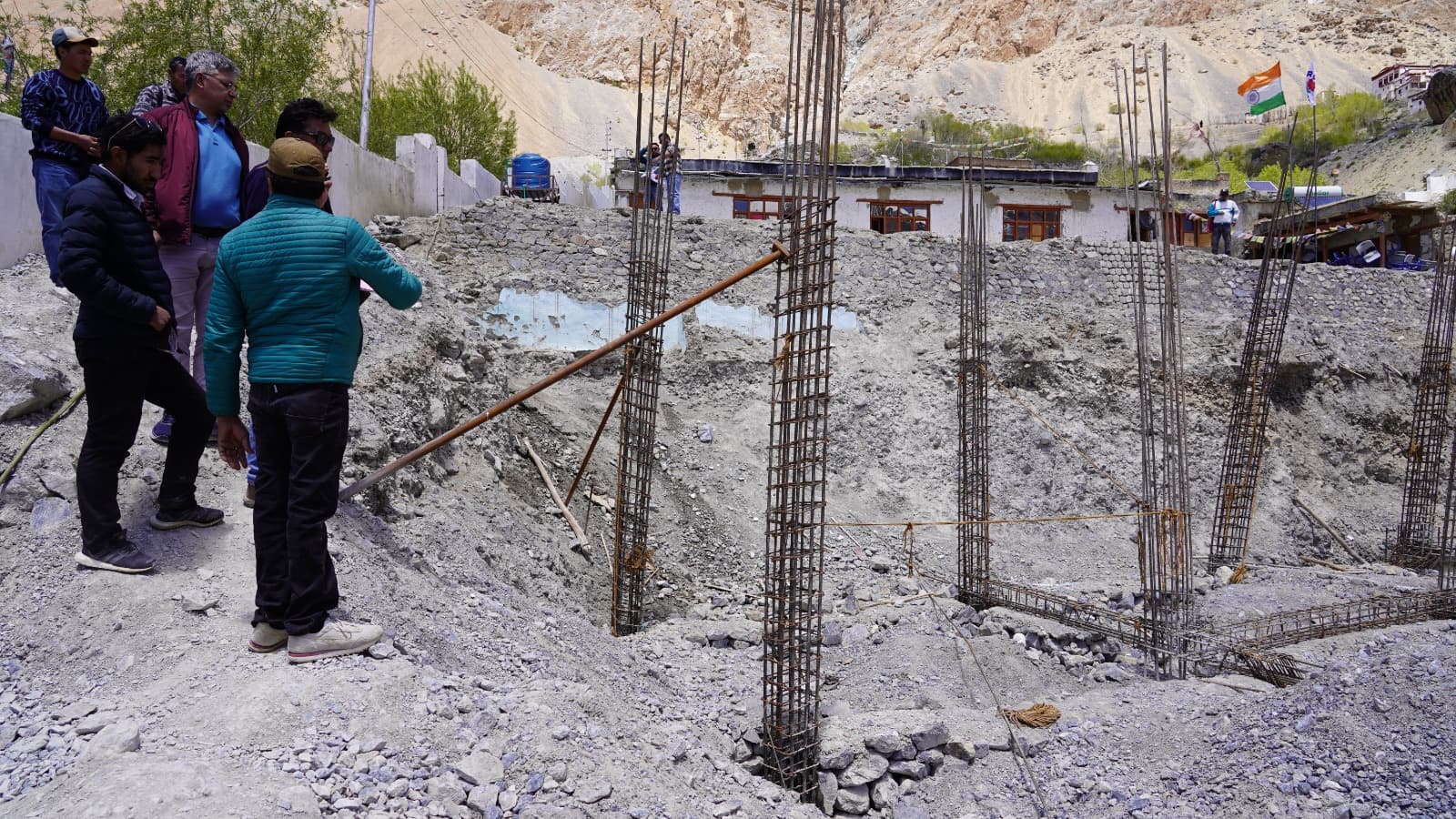
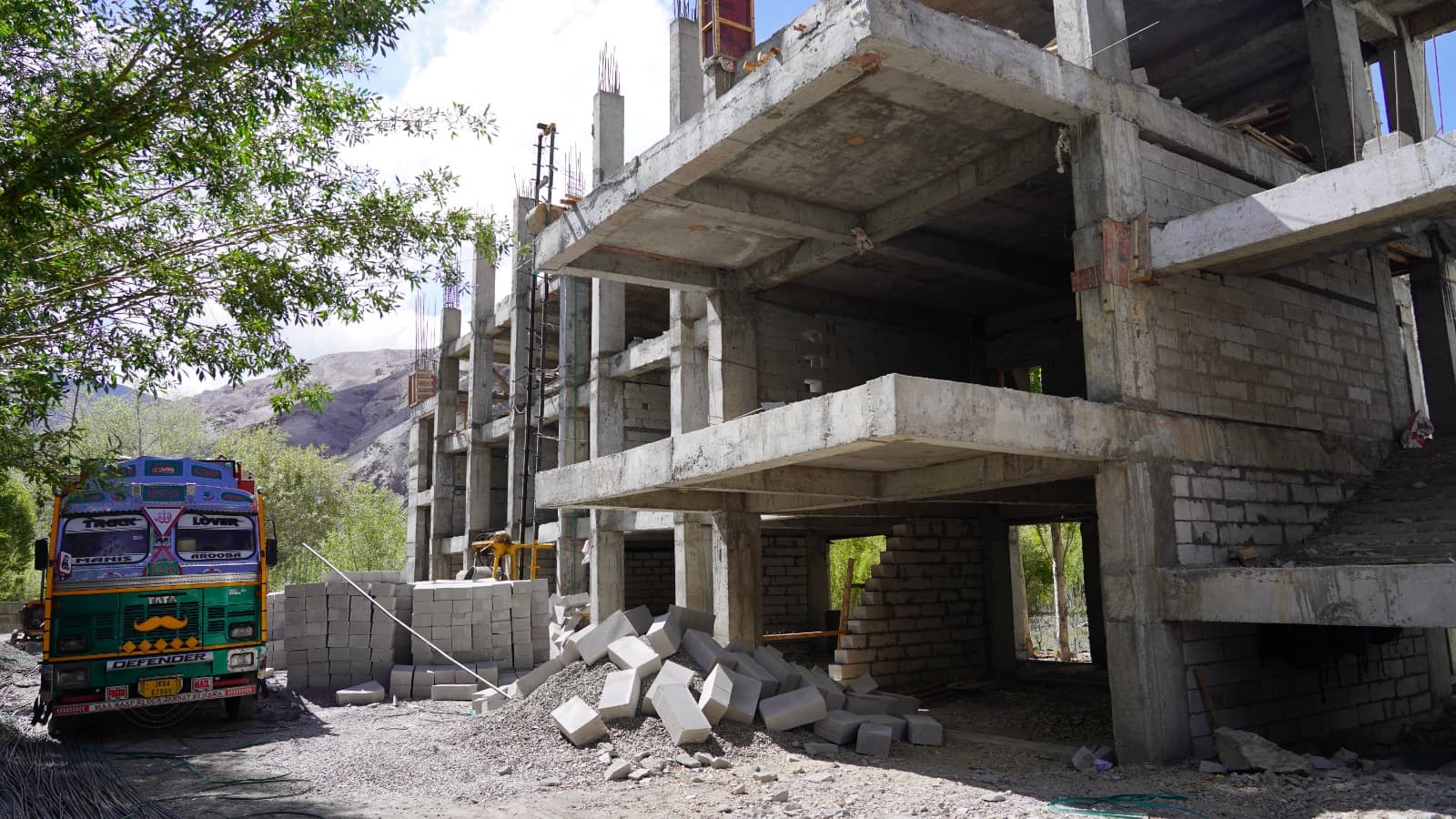
Key themes and recommendations from the visit included: completing and handing over school buildings under construction, together with compound walls and clearing construction sites; adding classrooms where enrolment is comparatively higher; providing computers, internet, printers and smartboards, especially for schools preparing for CT/AI classes, and repairing devices needed for the Namritam HPC and ERP attendance; strengthening competency-based, conceptual learning through closer academic supervision and regular checking of students' work by school heads; reviewing the deployment of teachers on census, BLO and other non-academic duties so that classroom time is protected; filling subject-teacher and school-head requirements; community-led enrolment and retention drives in villages with very few students; and safer, more child-friendly campuses with boundary walls, separate toilets, winter heating and play spaces.
The team's findings have been shared with the zonal education authorities and school heads for action, and a follow-up review will assess progress on building completion, staffing, digital facilities, enrolment, safety and classroom learning.
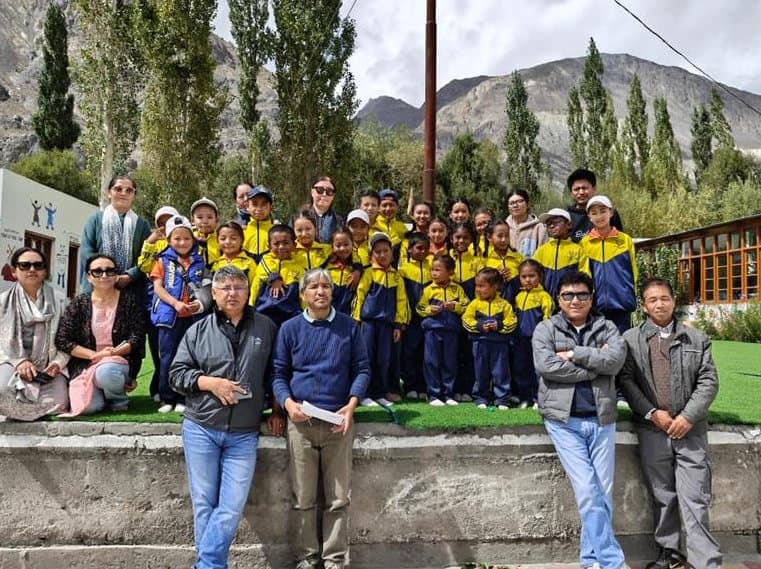
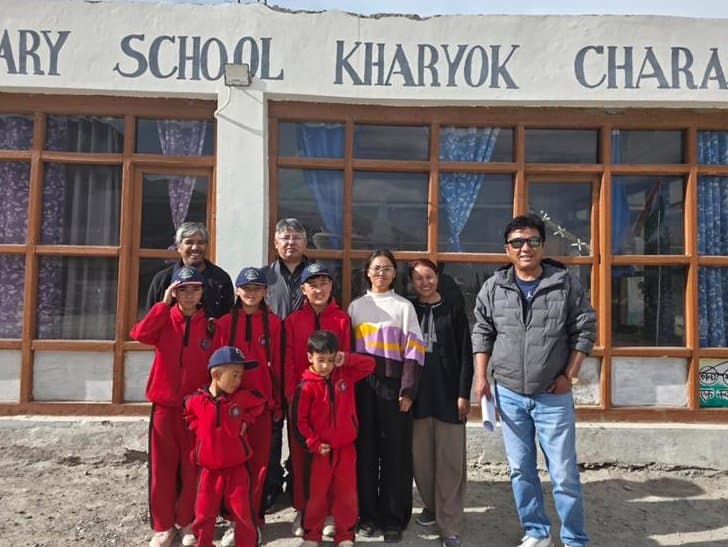
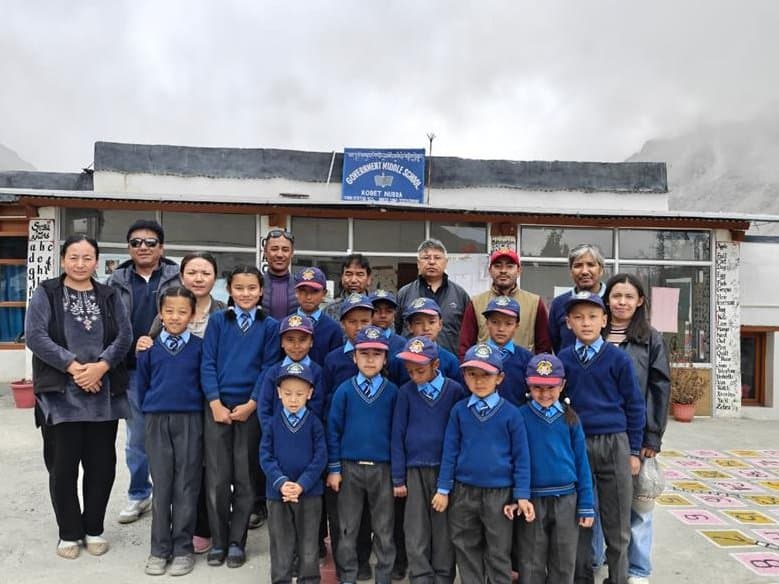
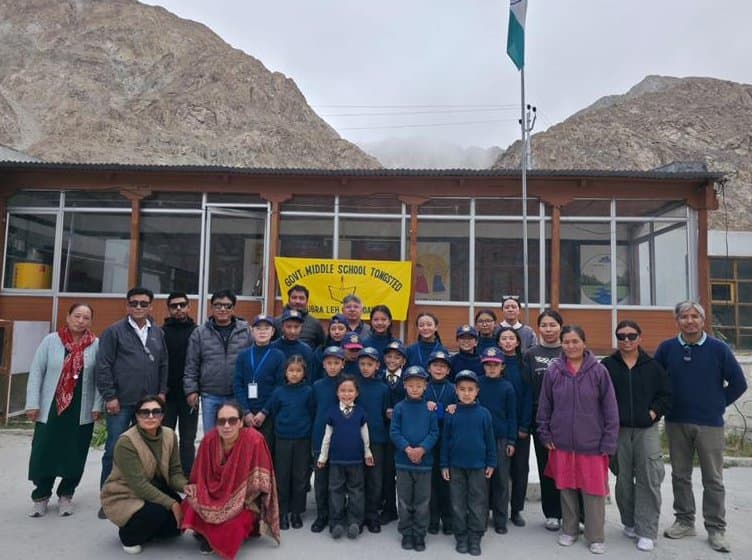
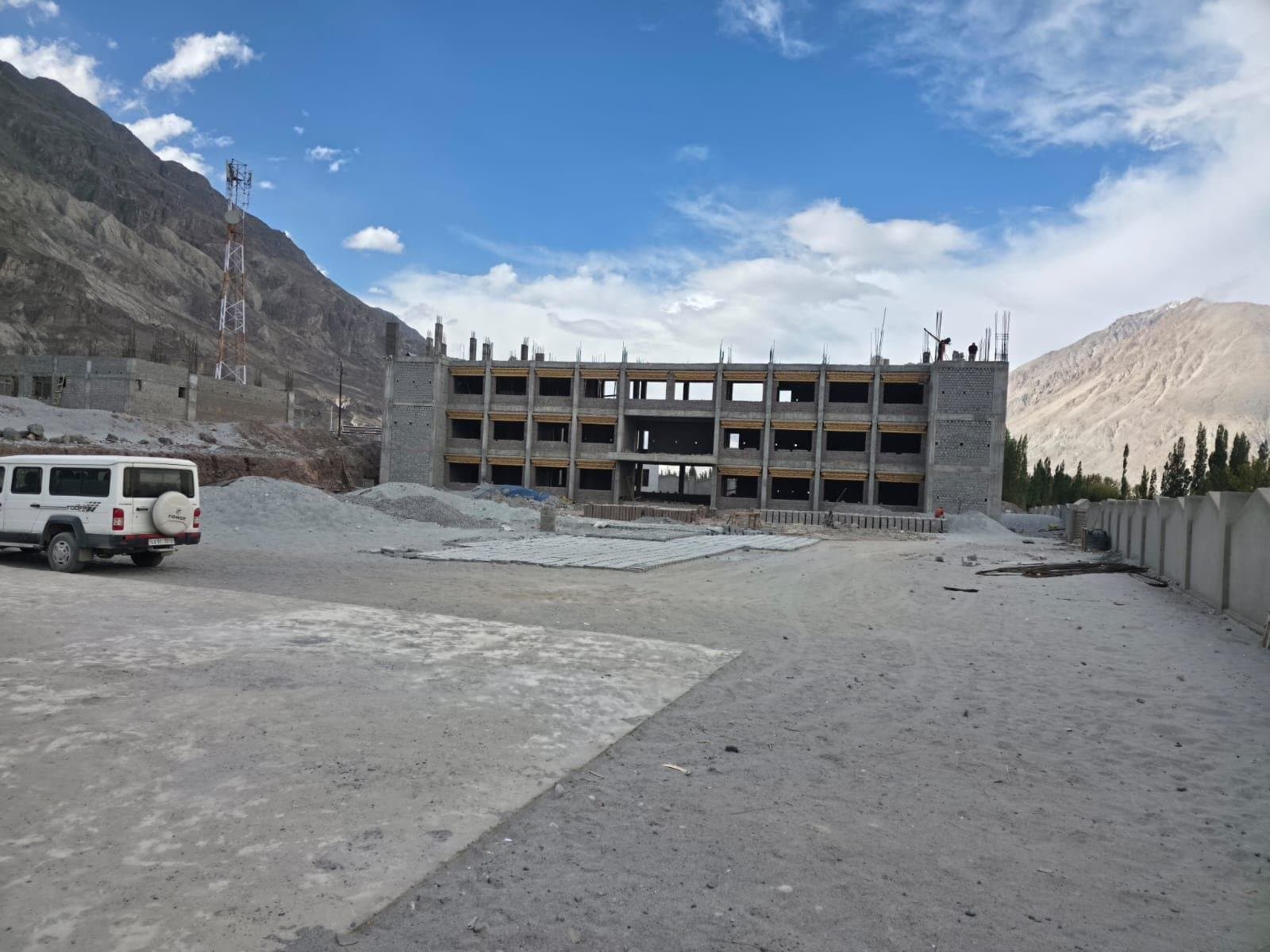
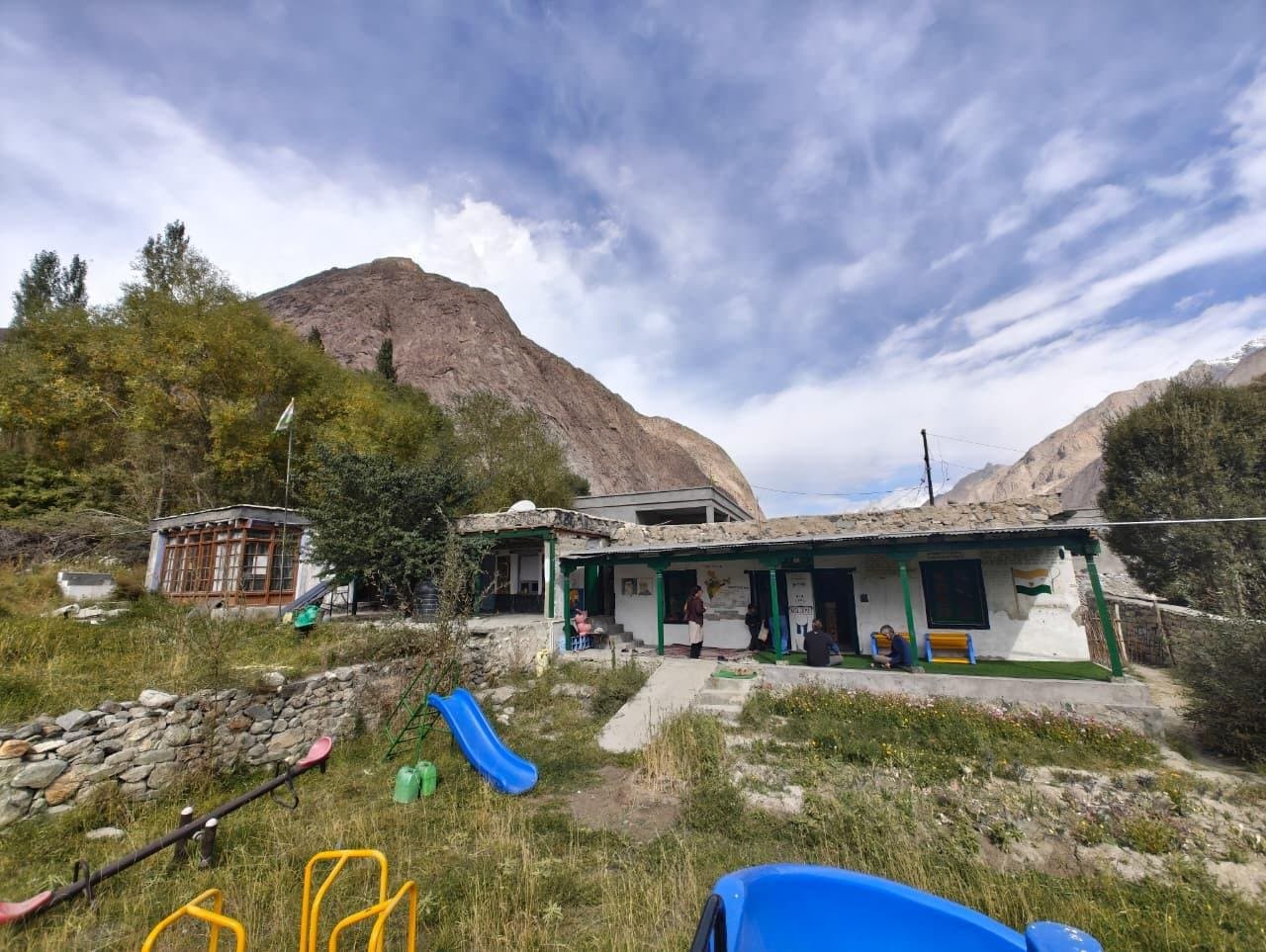
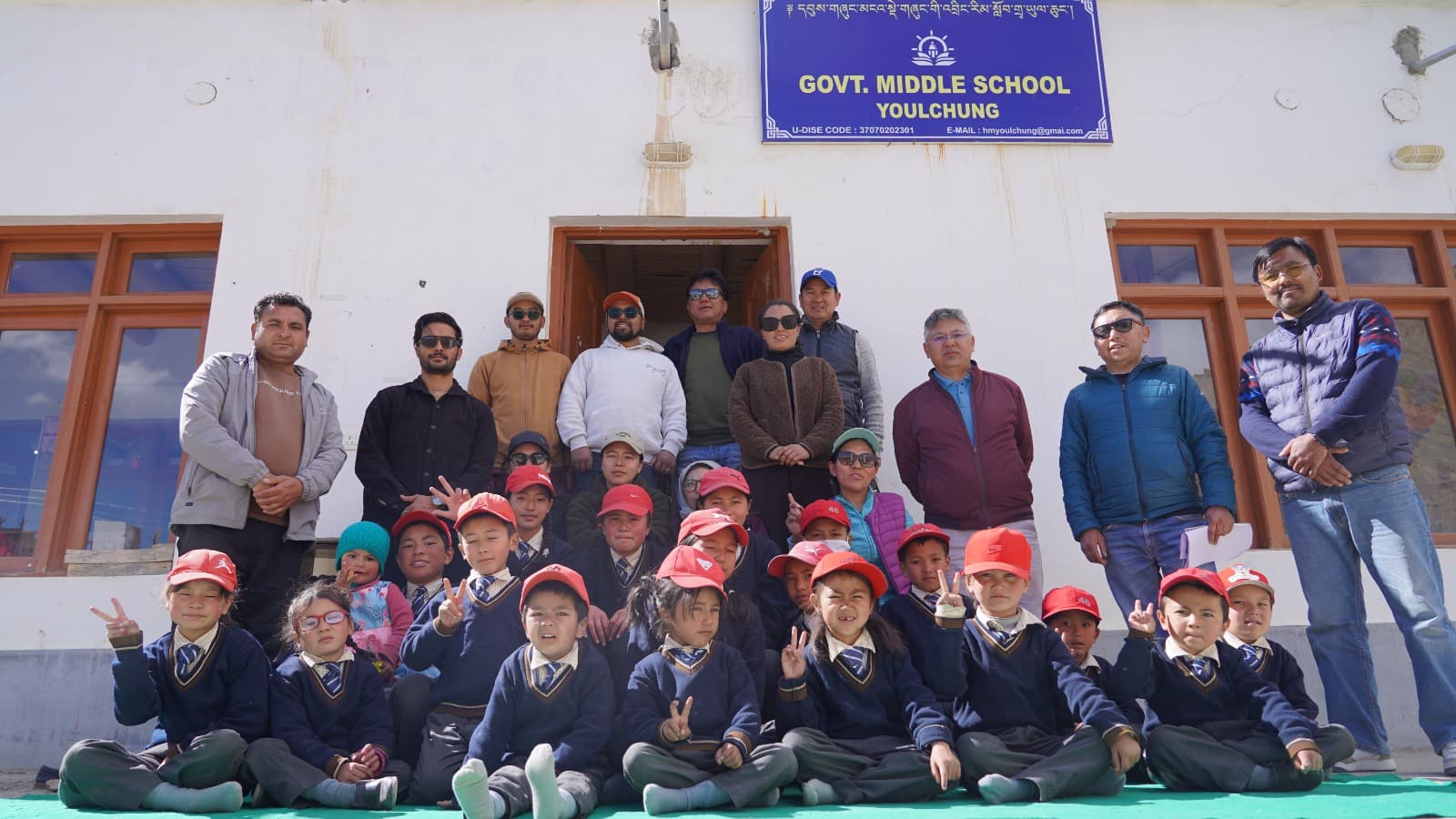
From 1 to 4 September 2026, DIET Leh's monitoring team visited ten government schools across Nyoma zone, among the remotest parts of Leh district. The visits reviewed classroom practice and the school environment, with particular attention to competency-based learning, student participation and the implementation of NEP 2020, NCF-FS, NIPUN Bharat, Vidya Pravesh and foundational literacy and numeracy. Across the zone the team found student-centred classrooms with good participation, attendance and ERP records generally kept up to date, Mid-Day Meals being served regularly, and schools taking part in science exhibitions, quiz competitions, Kala Utsav and national and international observances.
Key themes and recommendations from the visit included: restoring reliable drinking water, electricity and rooftop solar systems, which also affect kitchens and the Mid-Day Meal; repairing flash-flood damage and strengthening boundary walls and drainage; completing long-pending classrooms, hostels and other buildings, and clearing construction material from school campuses for children's safety; arranging winter heating and winter-friendly classrooms before the cold season; regular maintenance of lesson plans, student diaries and competency-based assessment records; making fuller, timetabled use of libraries, laboratories, smartboards and digital resources; prioritising teachers who have not yet been trained for upcoming DIET programmes in FLN and Jolly Phonics, mathematics, science, inclusive education, SEE Learning, leadership and health and wellness; and parent and community outreach to sustain enrolment in very small schools.
The team also recommended that housing for teachers posted in remote areas be brought up to the standard already provided for medical staff in the same areas, since both serve the same isolated communities. It recorded its appreciation to the teachers, School Management Committees and village representatives across the zone for their cooperation.
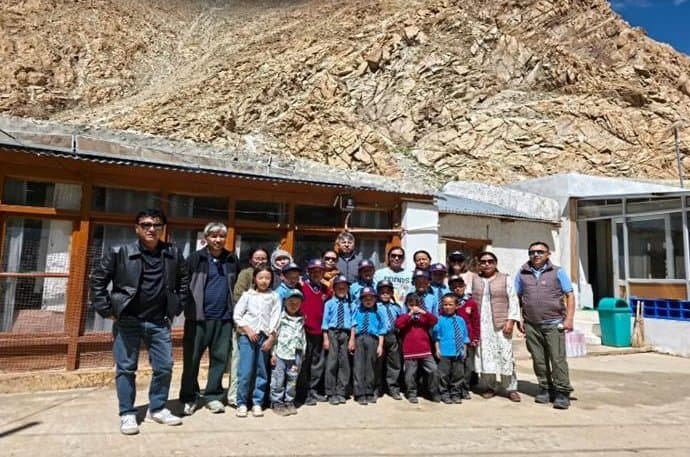
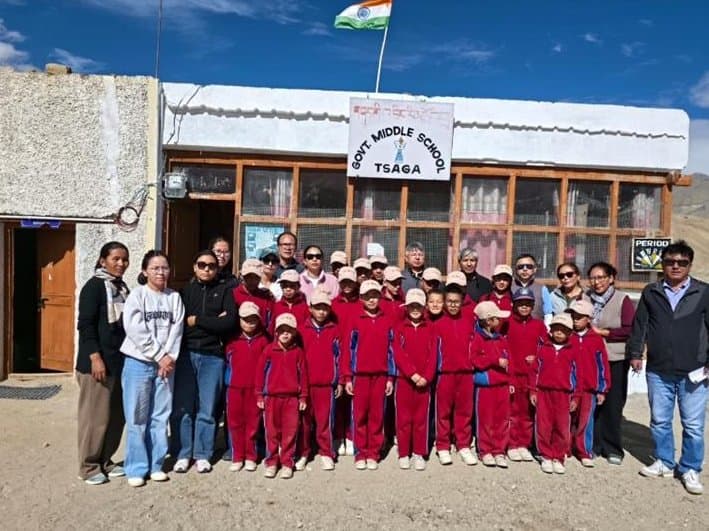
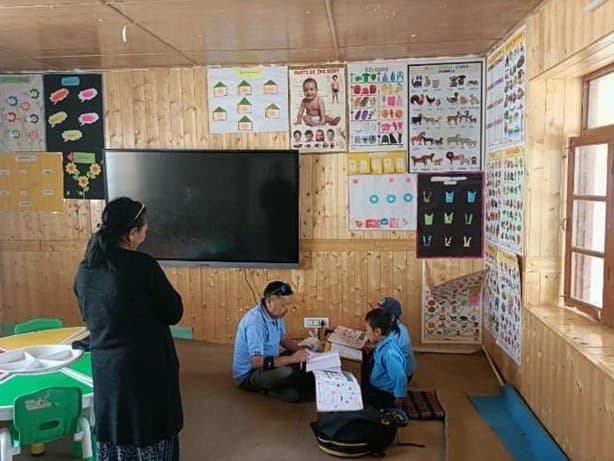
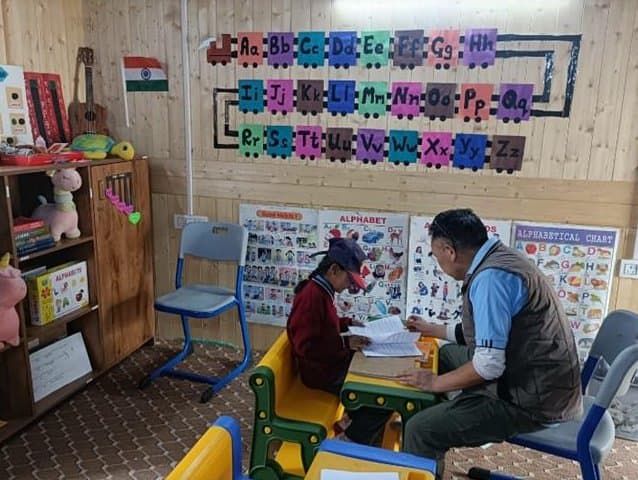
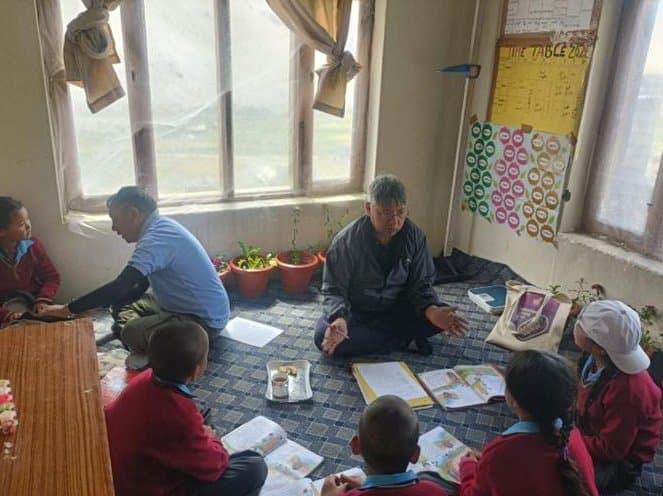
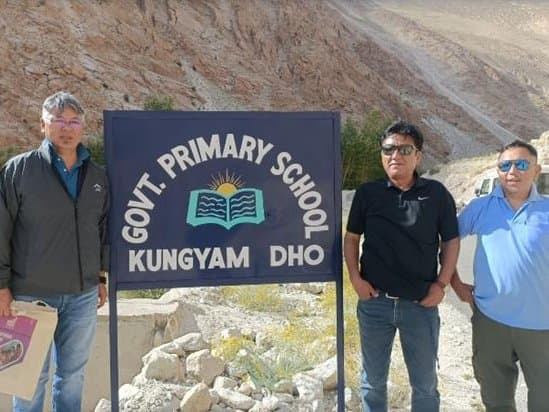
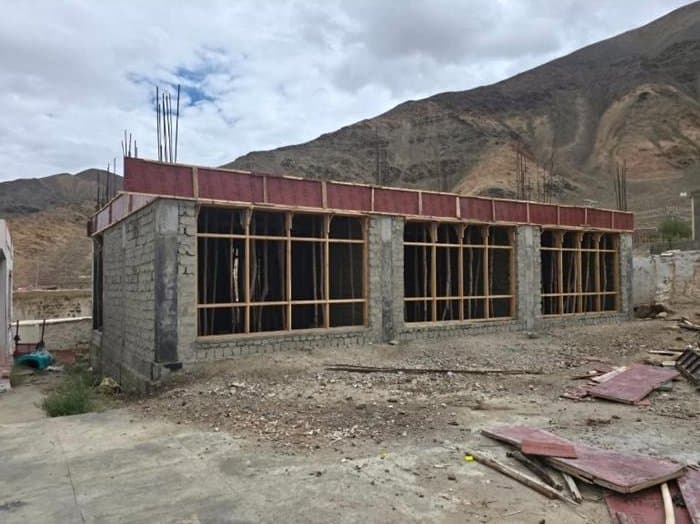
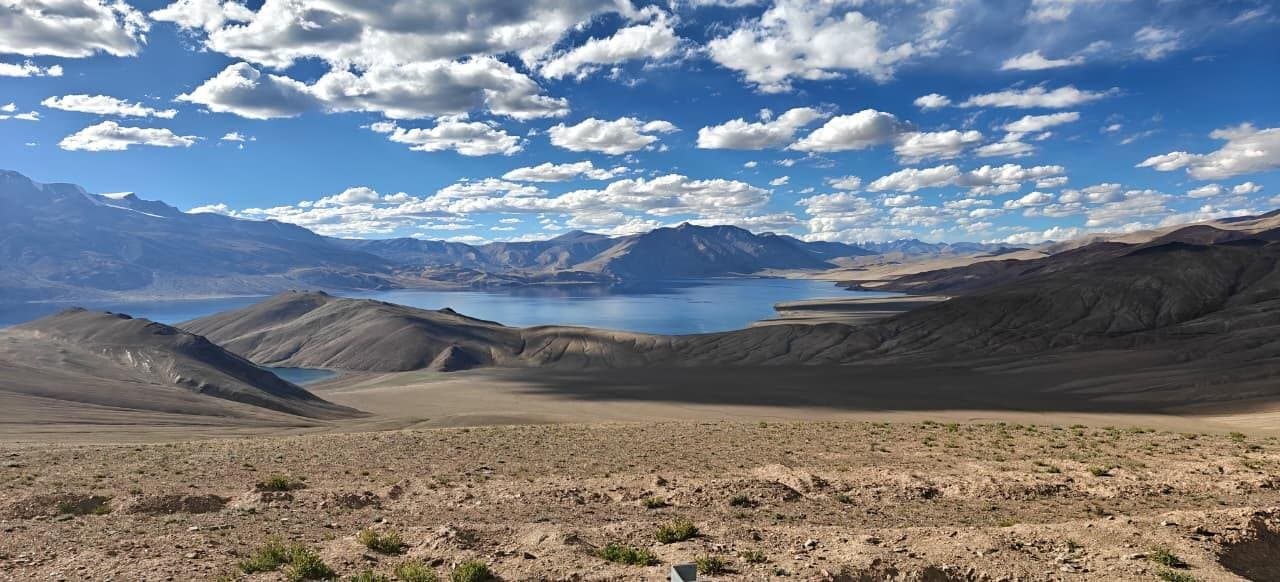
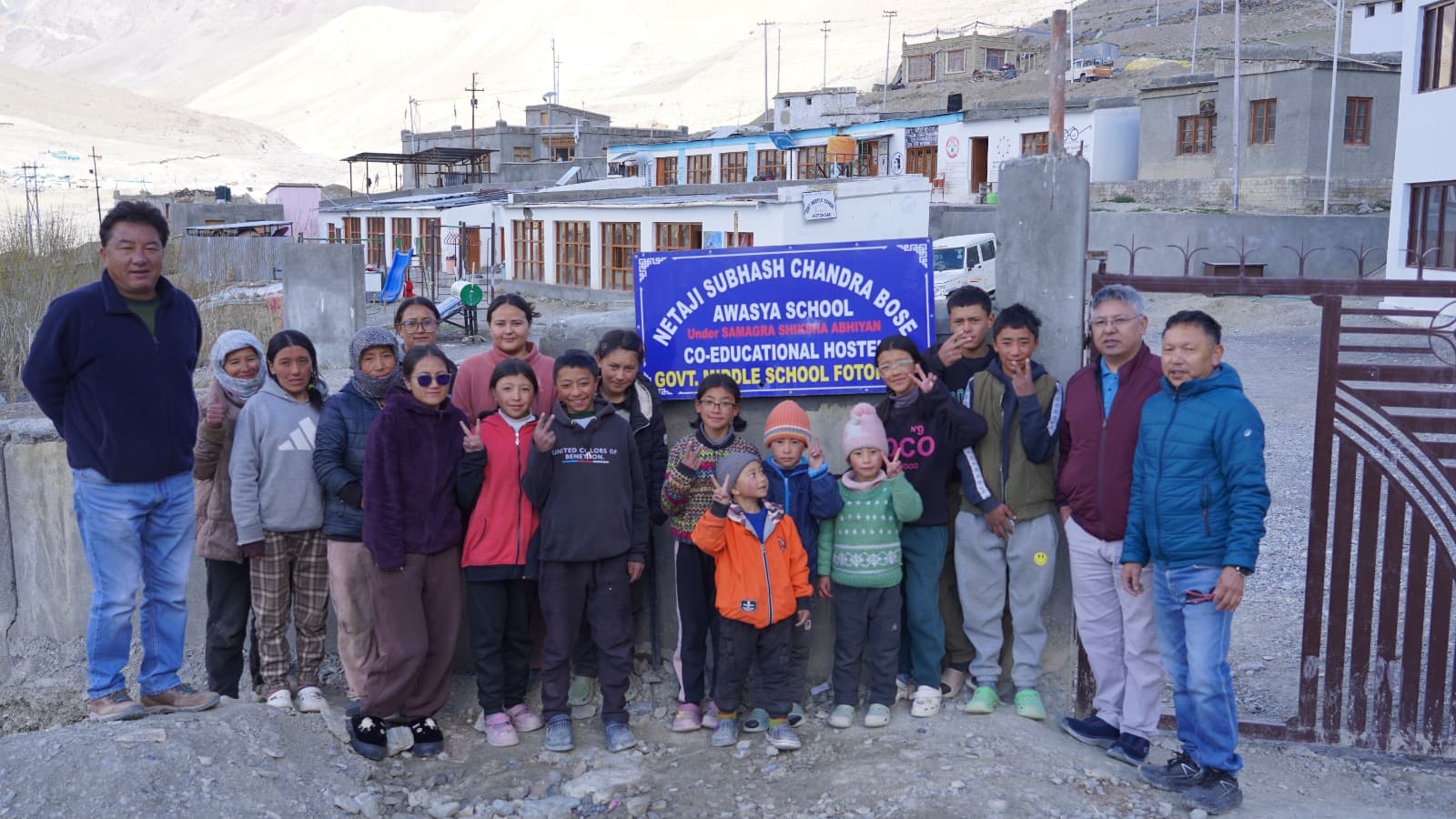
Over three days in late May 2026, DIET Leh's monitoring team visited eight government schools across the remote Lingshed–Fotoksar (Singge-La) belt in Khaltsi Zone — one of the district's most geographically challenging regions. Across the schools visited, the team found teachers working with notable dedication under difficult conditions, alongside a set of recurring, district-level themes it will act on through training and follow-up support.
Key themes and recommendations from the visit included: prioritising the timely completion and handover of school buildings under construction; restoring functional drinking-water facilities under the Jal Jeevan Mission; strengthening the regular maintenance of lesson plans, student diaries and academic records; focused intervention on foundational literacy and numeracy for lower-primary learners; ensuring functional heating in cold-desert residential schools, including through sustainable solar initiatives; strengthening computer, internet and ERP infrastructure; expanding teacher professional development in areas such as FLN, ERP, SEE Learning and multilingual pedagogy; continued attention to Mid-Day Meal hygiene and food storage; active involvement of School Management Committees in school development; and additional infrastructural support such as multipurpose halls, compound walls and playgrounds.
The monitoring team recorded its appreciation to the teaching community, School Management Committees and village stakeholders across the region for their cooperation and support.
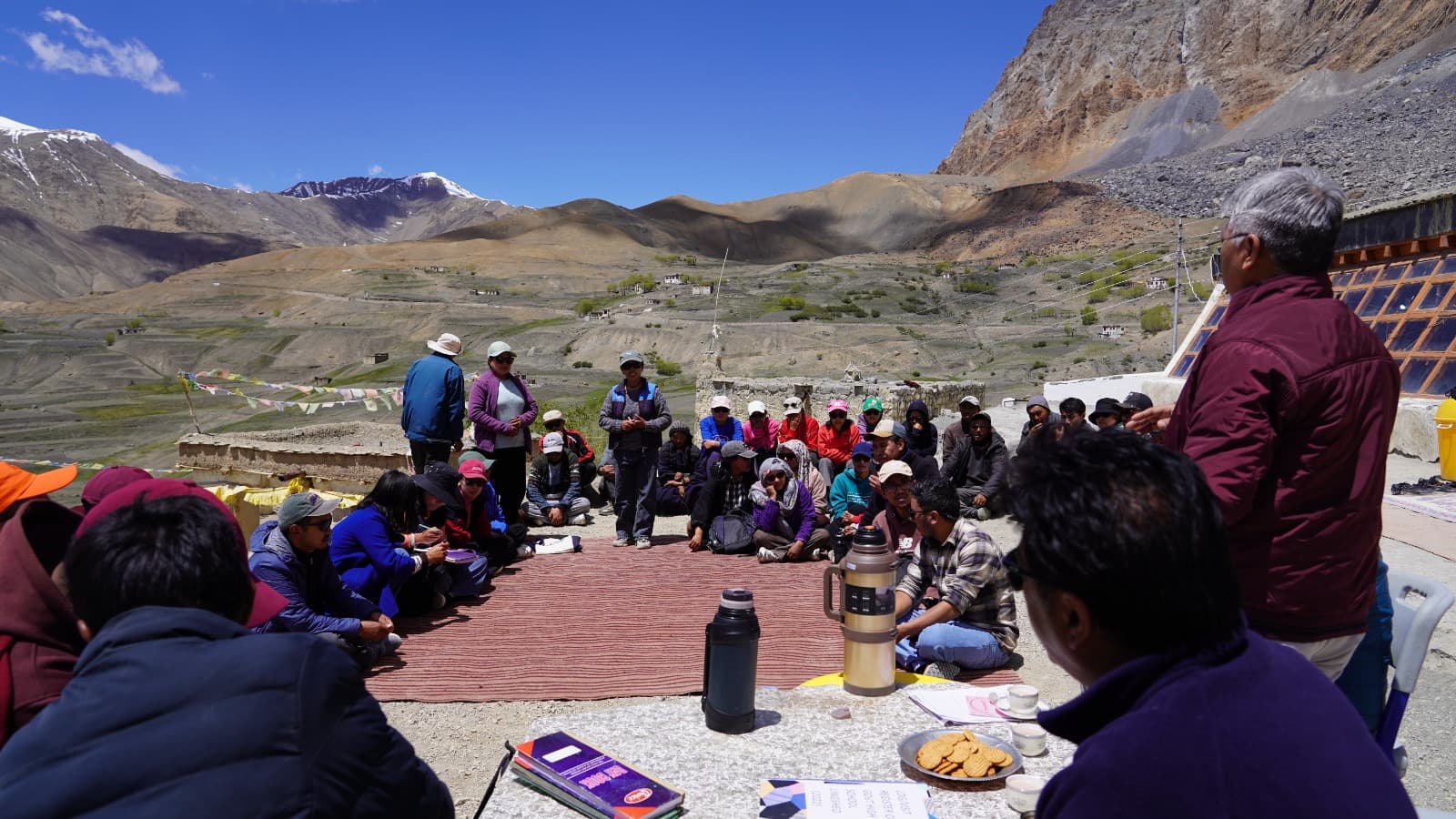
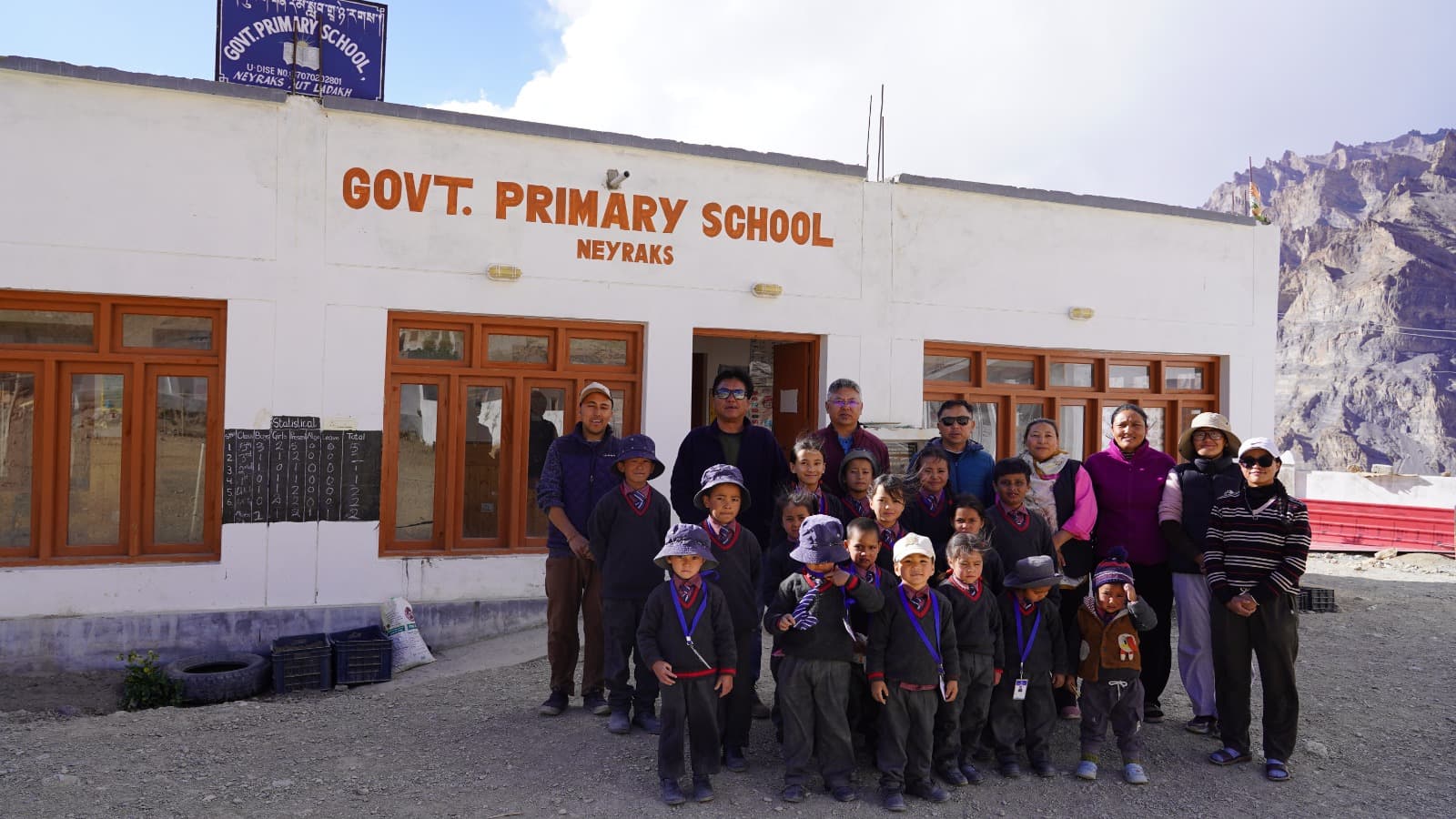
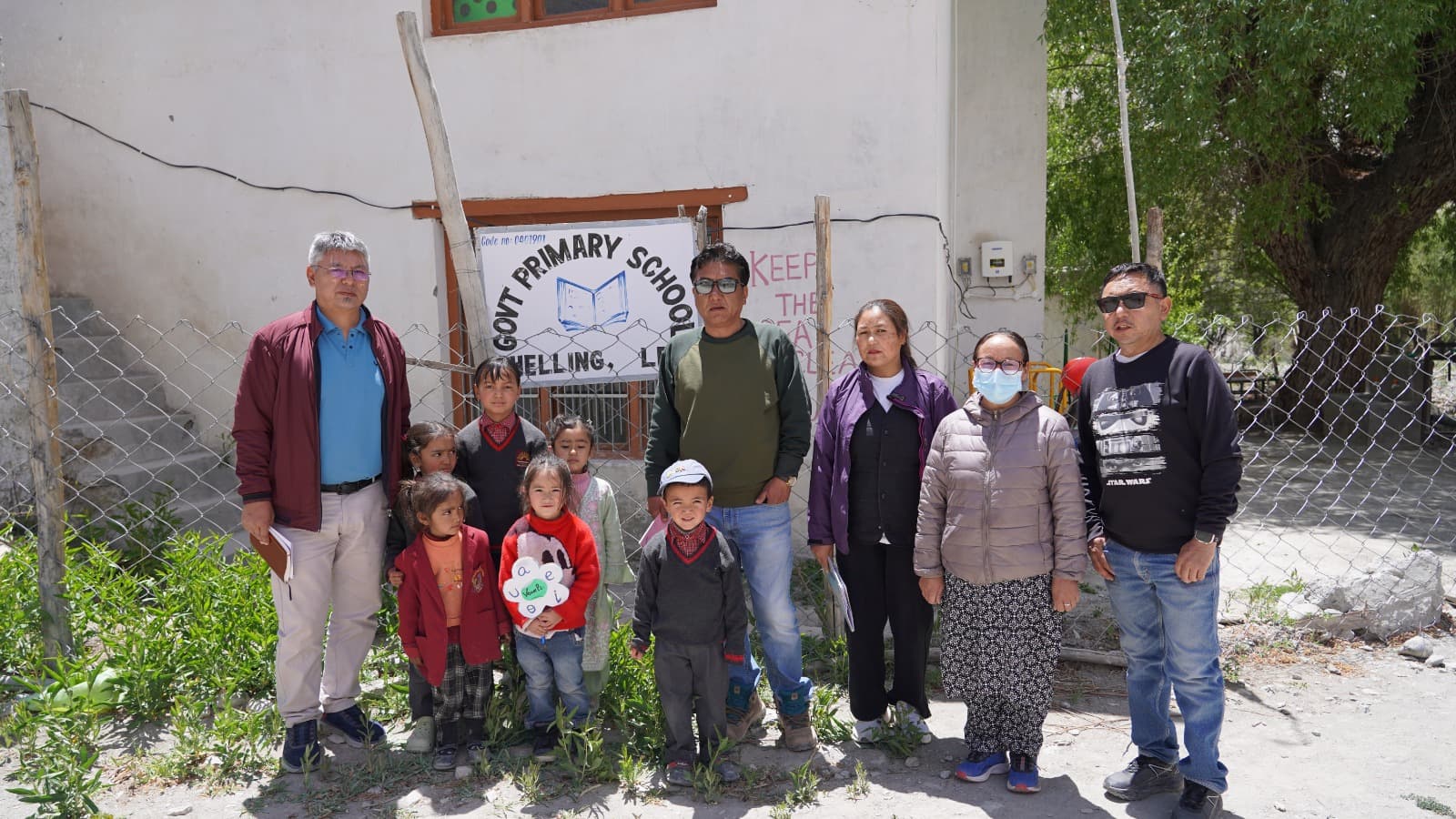
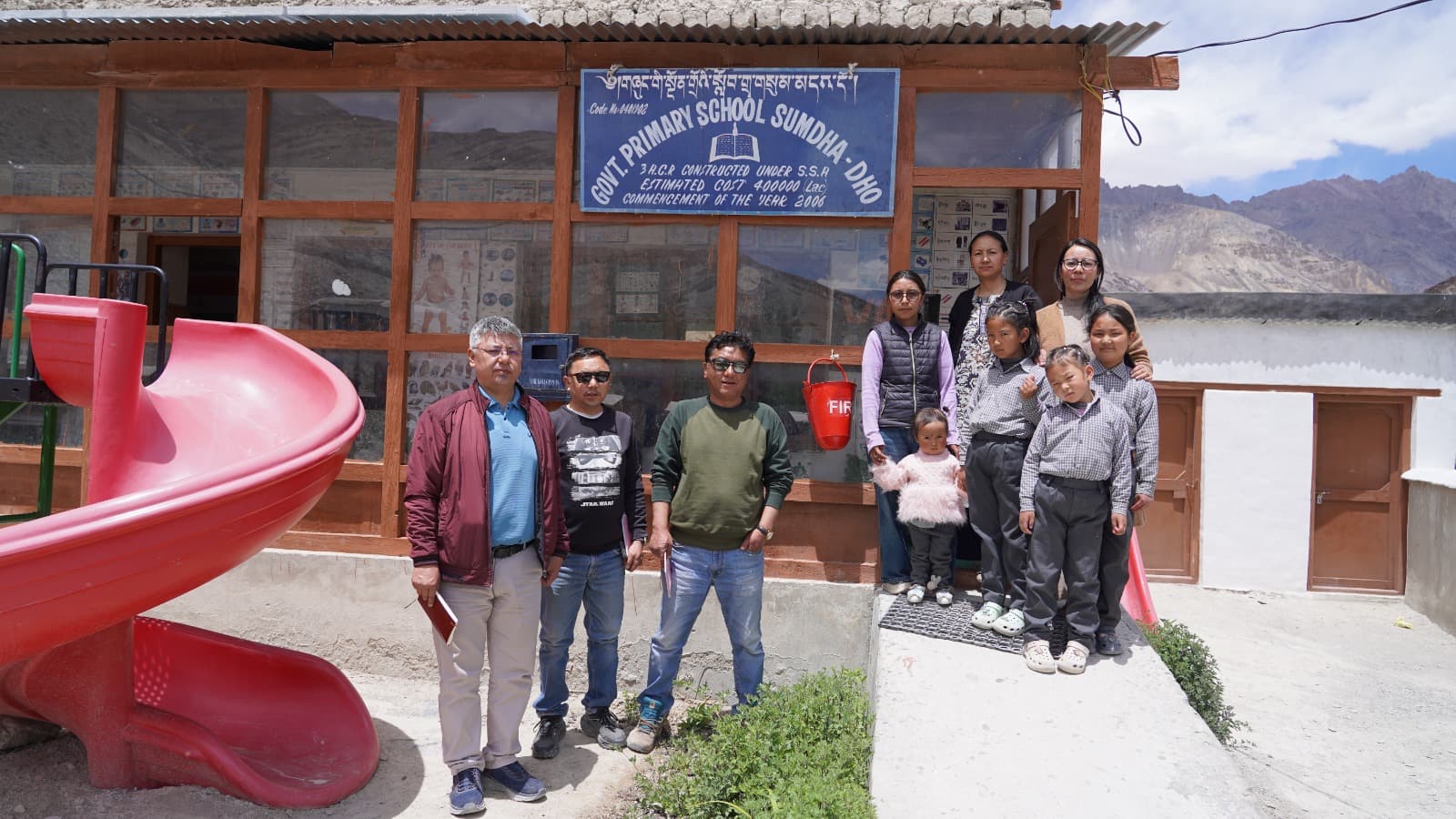
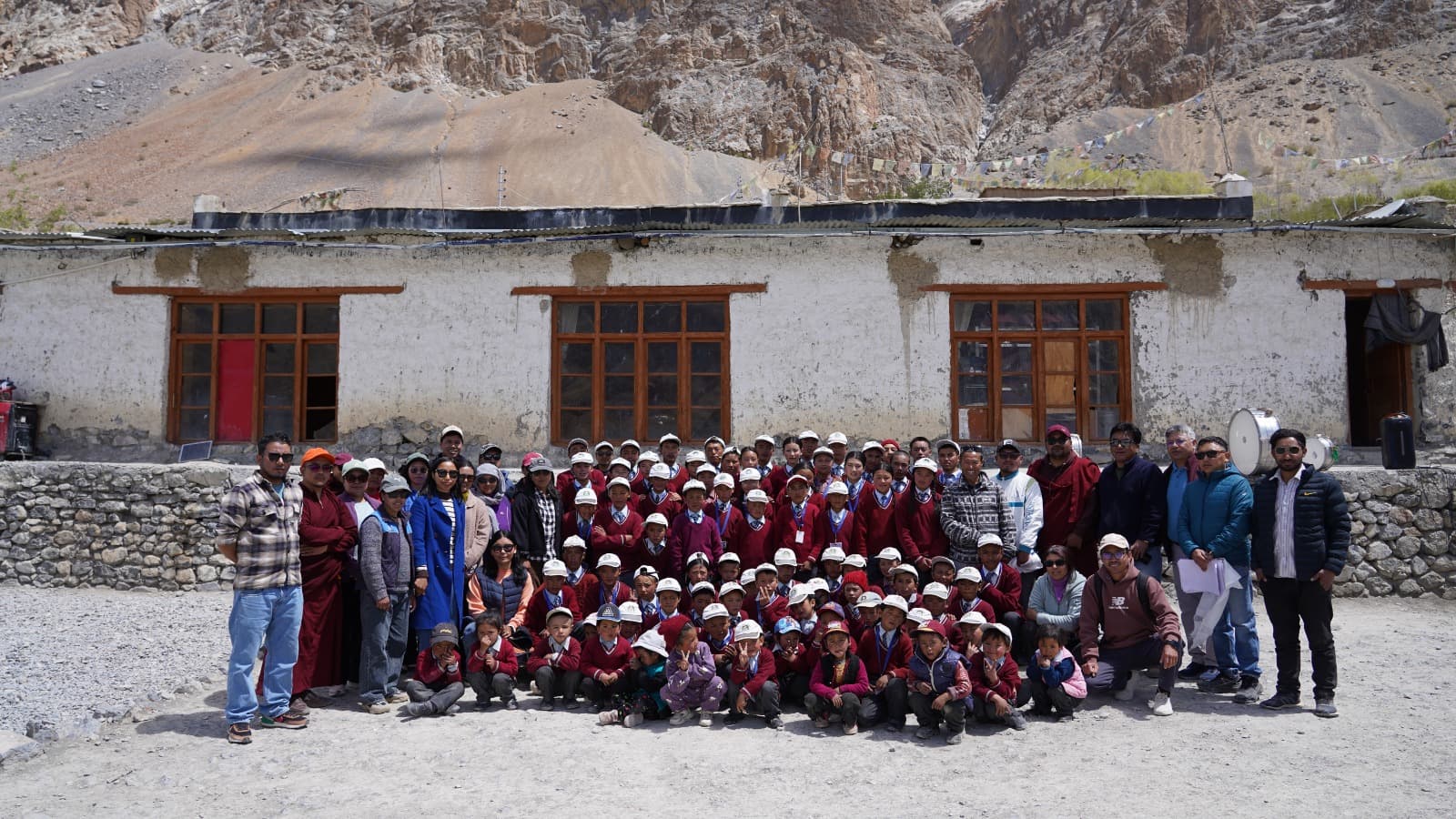
Monitoring findings shape DIET Leh's teacher trainings and academic support across the district.